Fast, code-correct drying for Toledo homes and businesses
Structural Drying and Dehumidification Toledo OH That Stops Moisture Cold
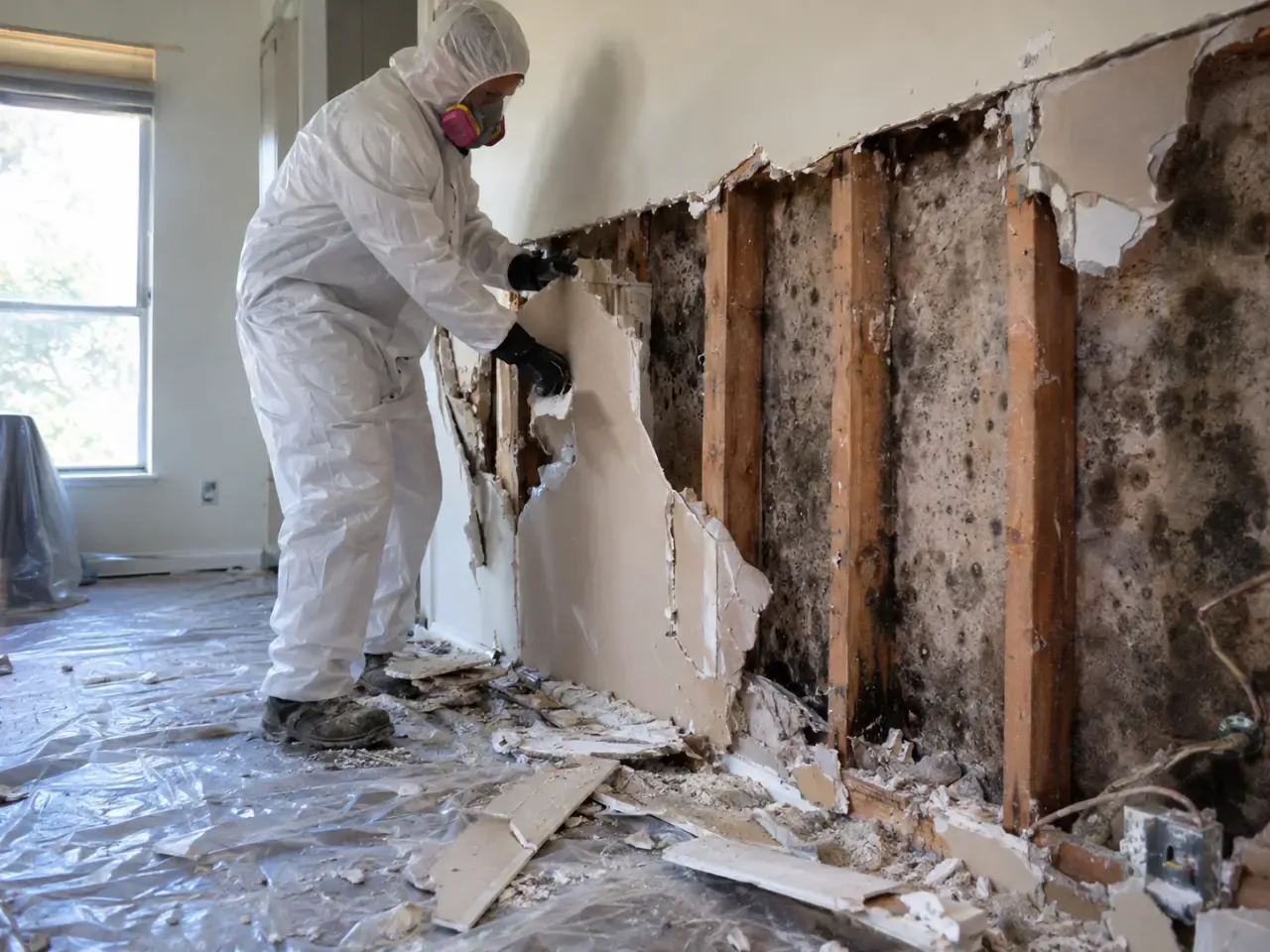
Structural Drying and Dehumidification Toledo OH is the process that pulls trapped moisture out of walls, floors, and crawlspaces before mold takes hold. If a burst pipe, sump failure, or storm flooded your basement, we set up commercial dehumidifiers and air movers the same day. We serve homeowners and property managers across Lucas County, and we document every reading so you know the structure is dry, not just surface-dry.
Live dispatcherUpfront optionsBacked workmanship
What's included
What Our Structural Drying Service Includes
Every drying job starts with an assessment and ends with documented readings. Here is what comes standard when we set up on your Toledo property, and where additional work like reconstruction or mold remediation would be scoped separately if the inspection shows it is needed.
Moisture Mapping and Assessment
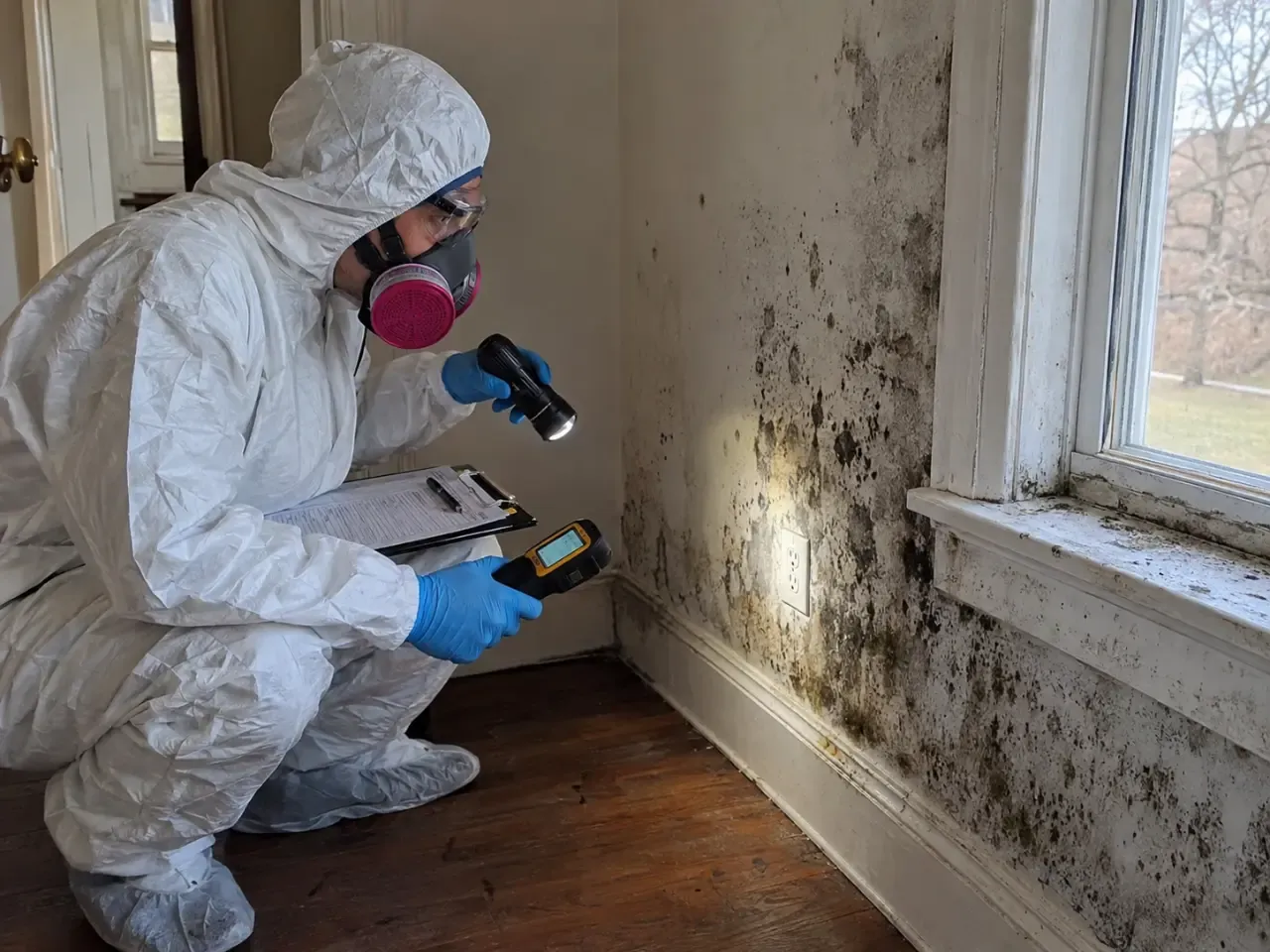
We use a Protimeter moisture meter and FLIR thermal imaging camera to find every wet zone, including hidden mold behind drywall and moisture that traveled into adjacent rooms. You get a clear map of what is wet before any equipment goes down.
Commercial Dehumidifier Setup
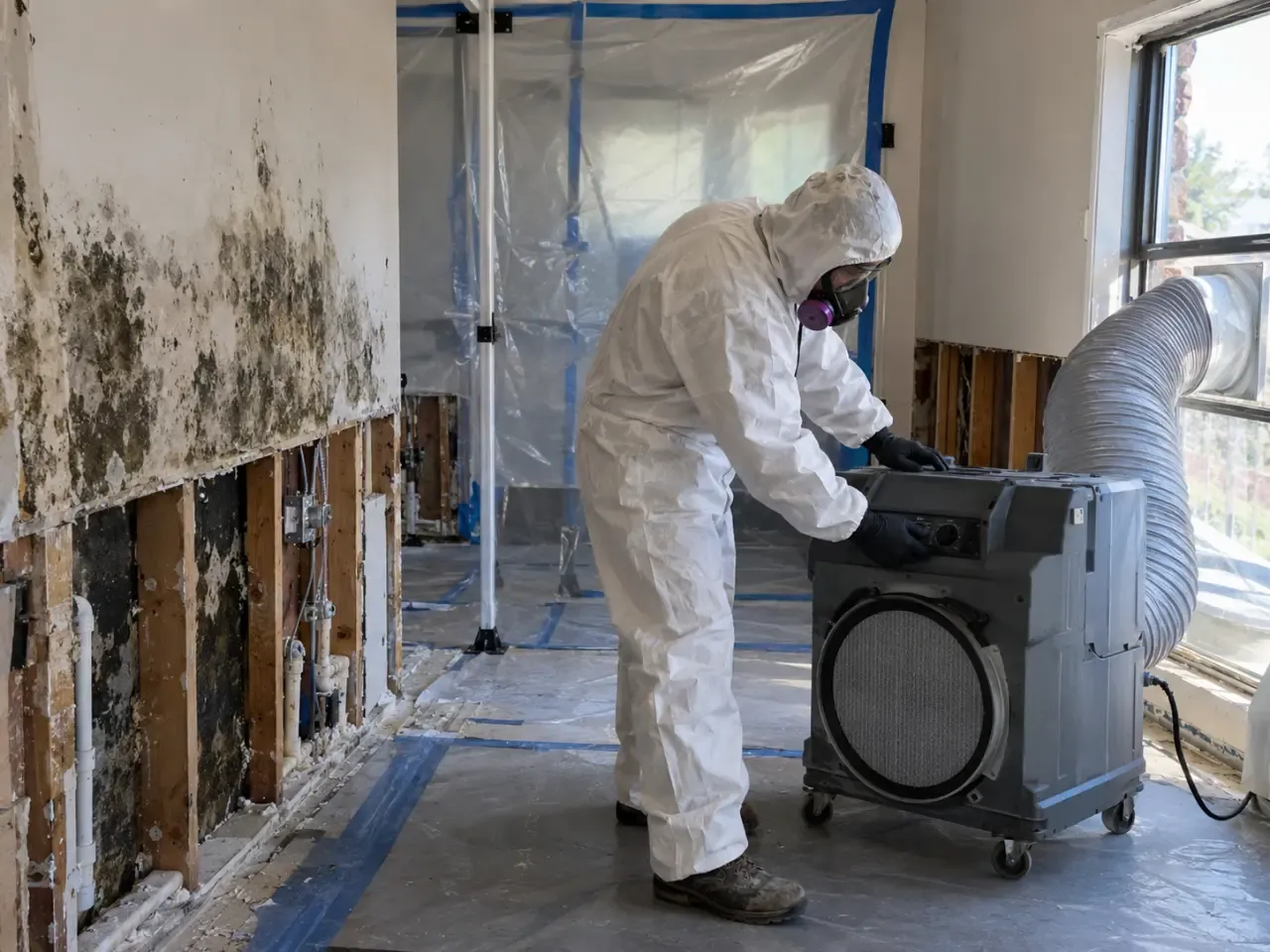
We size Dri-Eaz and Phoenix Restoration Equipment dehumidifiers to the cubic footage of the affected space. Units run continuously and pull water vapor out of the air so wet materials can release moisture instead of staying saturated.
Air Mover and Airflow Management
XPOWER air movers create a drying vortex across floors, walls, and framing. We reposition them daily based on moisture readings, because airflow that works on day one is not always where the structure needs it on day three.
HEPA Filtration and Containment
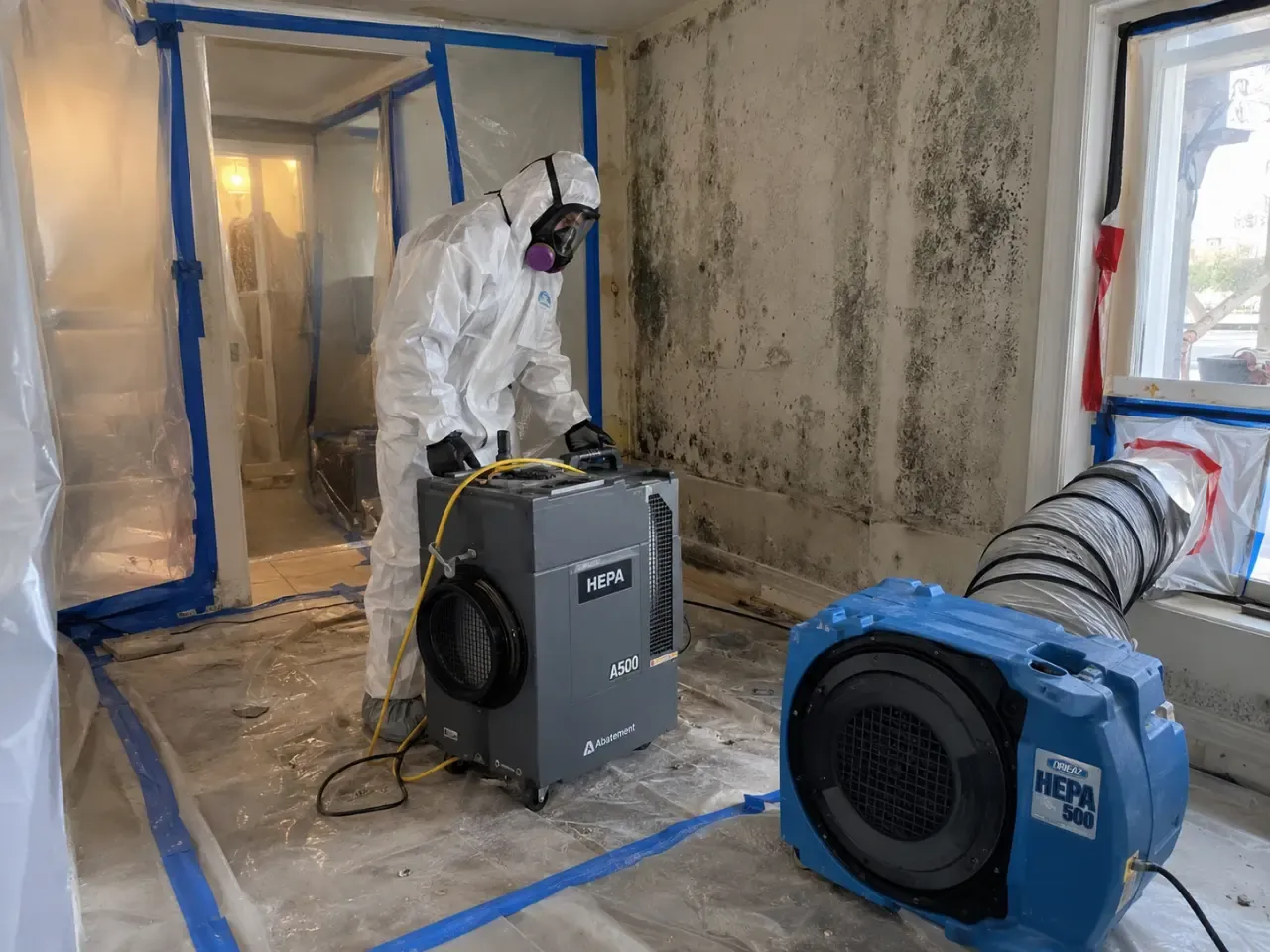
A HEPA air scrubber with HEPA filter media runs inside polyethylene containment sheeting to capture airborne spores. This keeps dust and mold fragments out of the rest of your home while the structure dries.
Antimicrobial Treatment
Where framing or subfloor is exposed, we apply antimicrobial surface treatment to knock down surface growth and inhibit new colonization. It is not a substitute for drying, but it adds a layer of protection on materials we are saving.
Daily Documentation and Final Verification
We log temperature, relative humidity, and material moisture content every day with a hygrometer and moisture meter. When materials hit the dry standard, you get a written summary with final readings for your records or insurance claim.
Service overview
What Structural Drying and Dehumidification Toledo OH Really Involves
Structural Drying and Dehumidification Toledo OH is the controlled removal of moisture from building materials after a leak, flood, or high-humidity event. We map the wet zone with a moisture meter and thermal imaging camera, then position Dri-Eaz and Phoenix Restoration Equipment dehumidifiers to pull water vapor out of the air while air movers push dry air across wet framing, drywall, and subfloor. A hygrometer tracks grains per pound until the structure matches a dry standard, usually within three to five days.
Toledo's older housing stock, especially the brick and block basements in Point Place and Deveaux, holds water long after the visible puddle is gone. That trapped moisture feeds Stachybotrys chartarum and Aspergillus growth behind drywall within 24 to 48 hours. If you search for structural drying near me Toledo OH after a plumbing leak or a backed-up floor drain, you need equipment on site fast, not a fan from the hardware store. We handle emergency dehumidification after water damage Toledo homeowners call about most often: sump failures, supply line bursts, and storm-driven seepage.
How we workWe verify the cause, compare realistic options, and confirm the repair before we leave.
The service timeline
Our Structural Drying Process, Step by Step
The process flexes to the condition, but these checkpoints keep decisions clear.
Emergency Assessment
We arrive, shut off the water source if it is still running, and map the wet zone with a Protimeter moisture meter and FLIR thermal imaging camera. You get a clear picture of what is wet, how far the moisture traveled, and what it will take to dry it. Most assessments take 45 to 90 minutes.
Containment Setup
We hang polyethylene containment sheeting and seal doorways with duct tape to keep dust and spores out of clean living space. A HEPA air scrubber with HEPA filter media runs continuously, and technicians wear personal protective equipment including P100 respirator filters when disturbing suspect materials.
Equipment Placement
We position Dri-Eaz and XPOWER air movers to create a drying vortex across wet surfaces, then set Phoenix Restoration Equipment dehumidifiers to pull moisture from the air. A negative air machine keeps pressure balanced in contained areas. Placement matters more than horsepower, and we adjust it daily.
Daily Monitoring
Every day we record temperature, relative humidity, and material moisture content with a hygrometer and moisture meter. Readings get logged so you can see the drying curve. If a wall cavity stalls, we add an injection drying port or adjust airflow rather than just waiting longer.
Verification and Pickup
We do not pull equipment until materials hit the dry standard, typically under 16 percent moisture content for wood and under 12 percent for drywall. Final readings are documented, equipment is removed, and you get a written summary you can hand to your insurance adjuster.
Tools & methods
Tools and Methods We Use to Dry Structures
Purpose-built equipment, used by trained technicians, so the job is done accurately the first time.
Dri-Eaz Dehumidifiers
Low-grain refrigerant and desiccant units that pull water vapor out of the air so wet materials can release moisture. We size them to the cubic footage of the affected space.
Phoenix Restoration Equipment Dehumidifiers
High-capacity drying units for large basements and commercial spaces. They run continuously and are monitored daily against the drying curve.
XPOWER Air Movers
High-velocity fans positioned to create a drying vortex across floors, walls, and framing. Placement is adjusted daily based on moisture readings.
Protimeter Moisture Meter
Pin and pinless readings of moisture content in wood, drywall, and plaster. It tells us exactly when a material has hit the dry standard.
FLIR Thermal Imaging Camera
Finds temperature differences that reveal hidden moisture behind drywall and in ceiling cavities without opening every wall.
HEPA Air Scrubber
Runs inside containment to capture airborne spores and dust with HEPA filter media, keeping the rest of the home clean during drying.
Hygrometer
Tracks temperature and relative humidity so we can calculate grains per pound and confirm the air is dry enough to keep pulling moisture from materials.
Use cases
When Toledo Property Owners Call Us for Drying
These examples show how the service framework adapts rather than forcing every call through one repair.
Beverly Kitchen Supply Line Leak
A supply line under the kitchen sink failed overnight and water ran through the cabinet, into the subfloor, and down into the basement ceiling. The homeowner found it the next morning with standing water in the cabinet and a wet ceiling below. → We dried the cabinet base, subfloor, and basement ceiling with targeted airflow and dehumidification over four days. Moisture meter readings dropped from 28 percent to 12 percent on the subfloor, and the ceiling dried without needing replacement.
Southwyck Rental After Toilet Overflow
A tenant's toilet overflowed and soaked the bathroom floor, hallway carpet, and the ceiling of the unit below. The landlord found it two days later with visible staining and a musty smell starting in the hallway. → We contained the bathroom and hallway, ran a HEPA air scrubber, and dried the subfloor, hallway, and lower ceiling for four days. Final readings came in under 12 percent on drywall and 14 percent on the subfloor, and the musty odor cleared.
Problems we solve
Moisture Problems We Solve in Toledo Buildings
Most of the drying calls we run in Toledo trace back to one of these moisture problems. Catching them early is the difference between drying a structure and rebuilding it.
Basement dampness and fungal growth after spring storms
We dry the basement to the dry standard, then install vapor barriers and closed-cell spray foam where needed. For recurring issues, we set up a moisture control plan so the space stays dry through the next wet season.
Hidden mold behind drywall after a slow plumbing leak
We use thermal imaging and moisture meters to find the wet cavity, open it, dry the framing, and treat with antimicrobial surface treatment. If growth is confirmed, we move into remediation under the ANSI/IICRC S520 Standard for Professional Mold Remediation.
Attic mold from condensation or poor ventilation
We dry the saturated sheathing and insulation, then correct the ventilation and vapor barrier problems that caused the condensation. In many Toledo attics, added intake vents and a proper vapor barrier solve it for good.
Water-damaged building materials after a sump failure
We extract standing water, remove unsalvageable materials, and set up structural drying with commercial dehumidifiers and air movers. Daily readings track the drying curve until the structure is verified dry.
Pricing process
What Structural Drying Costs in Toledo
$1,200 - $3,800 for most residential jobs; commercial losses scoped individually
Square footage affected
A single wet room dries with one or two dehumidifiers. A flooded basement or multiple rooms require more equipment and more days, which raises the cost. Square footage is the biggest single driver of price.
Water category and contamination
Clean water from a supply line is simpler to dry than Category 2 or 3 water from a sump or sewer backup. Contaminated water requires removal of porous materials and antimicrobial treatment, which adds labor and disposal cost.
Materials that got wet
Carpet and pad usually come out. Hardwood, plaster, and dense framing take longer to dry and may need specialty drying setups. Materials we can save reduce your reconstruction cost later.
Questions before we arrive
Frequently Asked Questions About Structural Drying in Toledo
How much does structural drying cost in Toledo?
Most residential structural drying jobs in Toledo run $1,200 to $3,800 in 2026, depending on square footage, how many days equipment runs, and whether containment is needed. A single wet room with a small leak sits at the low end. A flooded basement with contaminated water and multiple affected rooms lands higher. We give you the number before we start, and we do not add equipment you do not need.
Who provides emergency dehumidification in Toledo OH?
Toledo Mold Defense provides emergency dehumidification in Toledo OH, with crews available around the clock for burst pipes, sump failures, and storm flooding. We carry Dri-Eaz and Phoenix Restoration Equipment dehumidifiers on our trucks, so we are not waiting on a rental yard to open. Call (419) 880-8176 and we will tell you what to do before we arrive.
How long does structural drying take after water damage?
Plan on three to five days for most residential jobs, with hardwood floors and dense plaster sometimes running six to seven. The timeline depends on how long the water sat, what materials got wet, and how well the space holds humidity. We monitor daily and do not pull equipment until moisture readings hit the dry standard.
Can dehumidification help prevent mold in a Toledo property?
Yes. Dehumidification to prevent mold growth Toledo, Ohio is one of the highest-value steps you can take, because mold needs sustained moisture above roughly 60 percent relative humidity to colonize. Drying a wet structure within 24 to 48 hours dramatically lowers that risk. For chronic dampness in basements and crawlspaces, we also install ongoing moisture control so the problem does not return next spring.
Related services
Related Services
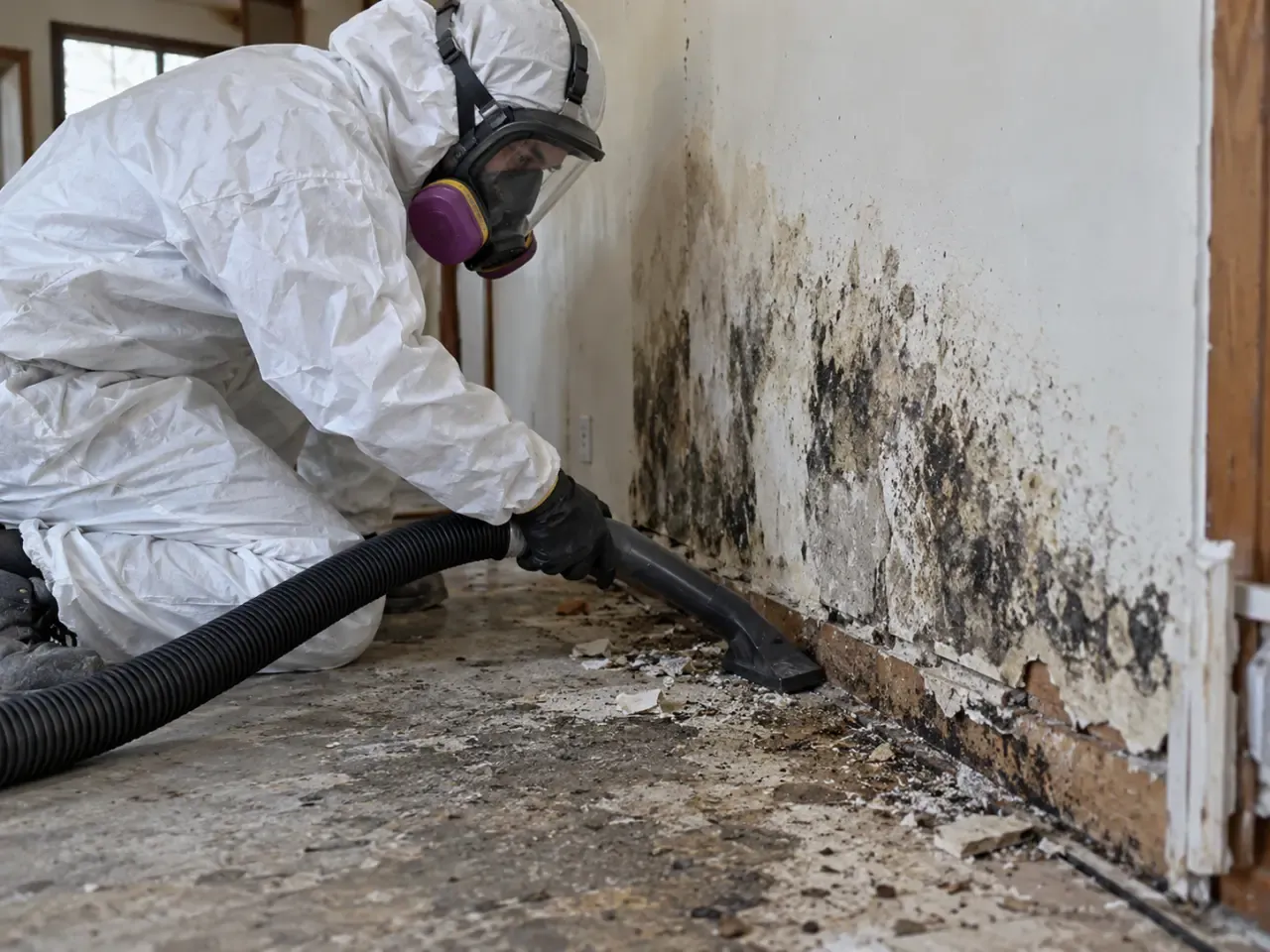
Residential Mold Remediation
When drying is not enough because mold already took hold, our residential remediation crews remove affected drywall, treat framing with antimicrobial surface treatment, and rebuild. Drying and remediation often run together on the same Toledo job.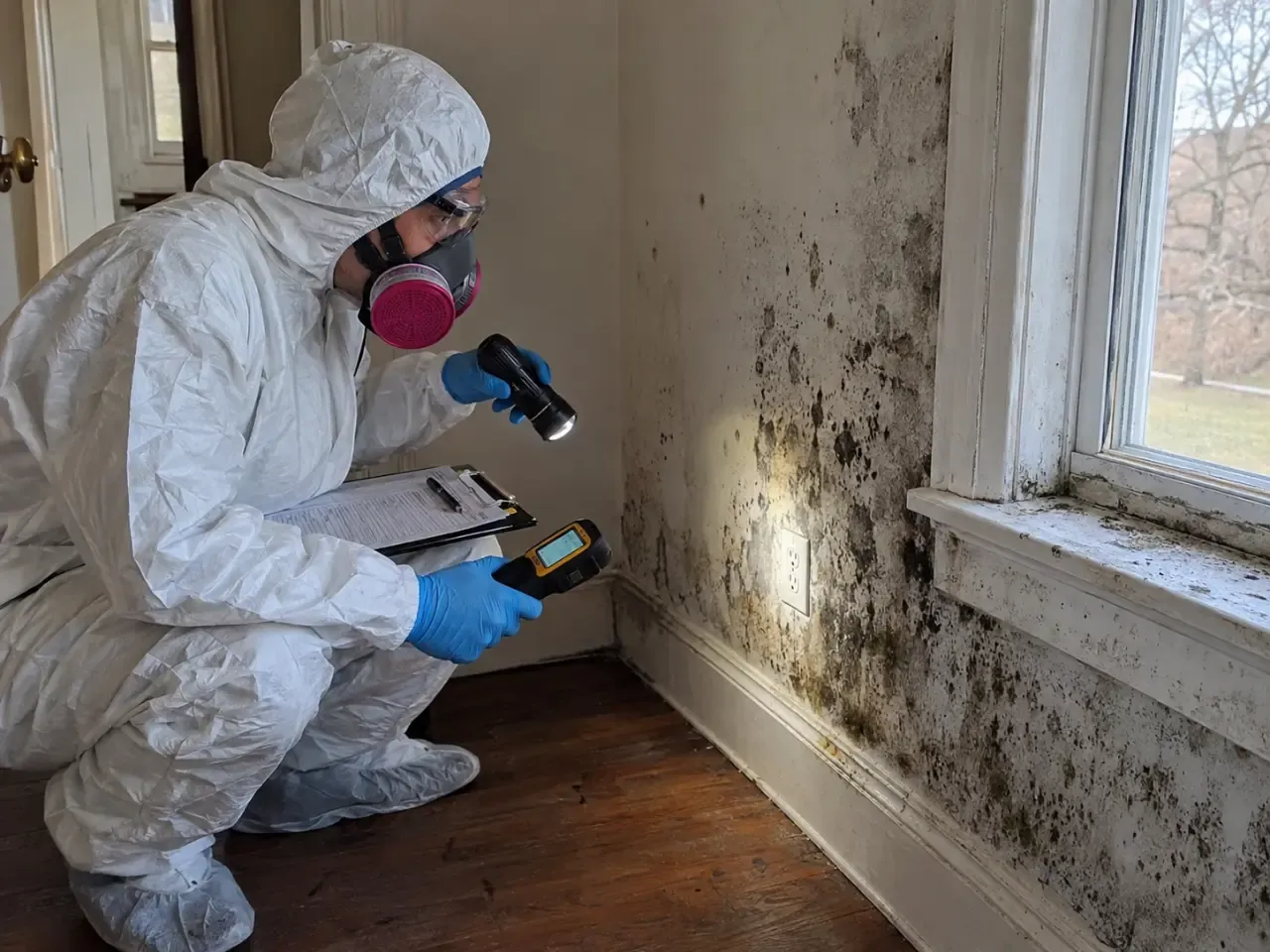
Commercial Mold Remediation
Offices, rentals, and retail spaces need drying that fits around business hours. We scale commercial dehumidification company Toledo equipment to the square footage and coordinate containment so tenants and customers are not exposed to dust or spores.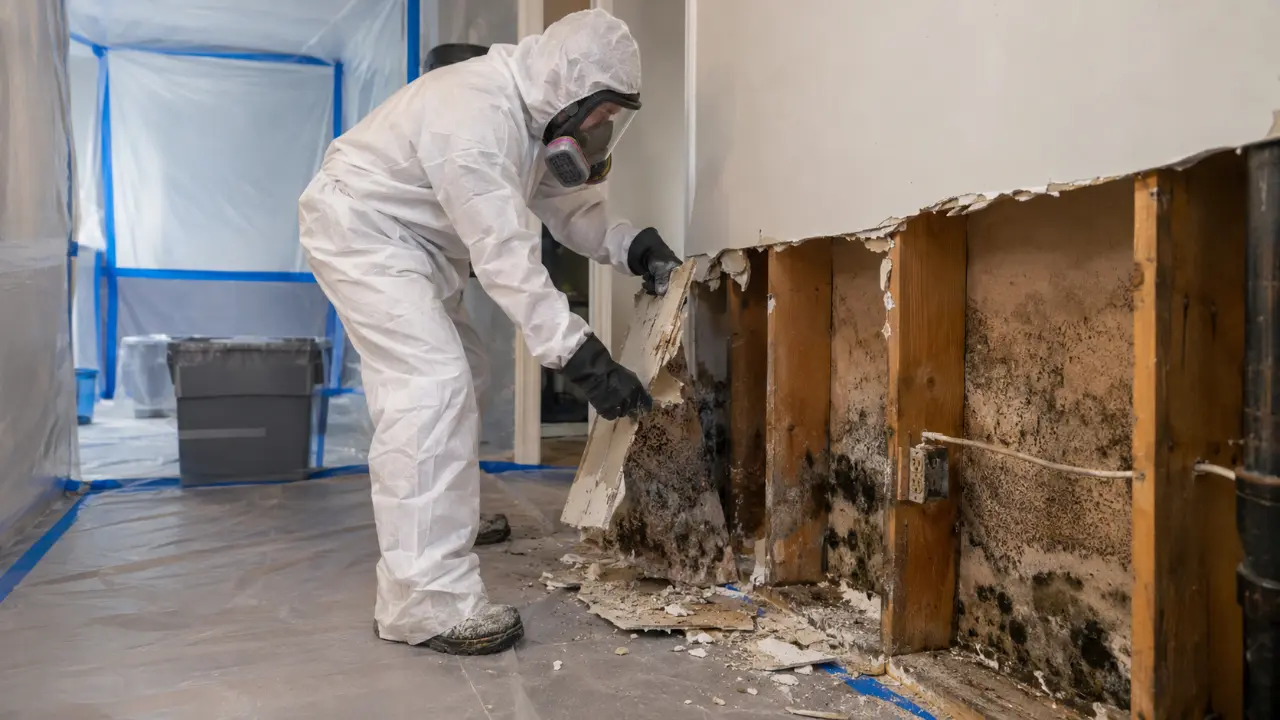
Black Mold Removal
Stachybotrys chartarum needs a wet food source, which is exactly what structural drying removes. When black mold is already visible, we combine HEPA filtration, containment, and safe removal with drying so the moisture source is fixed, not just the surface.Ready when you are
Get Structural Drying and Dehumidification Toledo OH Started Now
Every hour a structure stays wet, mold risk climbs and repair costs grow. We are IICRC certified, insured, and ready with commercial drying equipment. Call (419) 880-8176 and we will tell you what to do right now, before we even arrive.
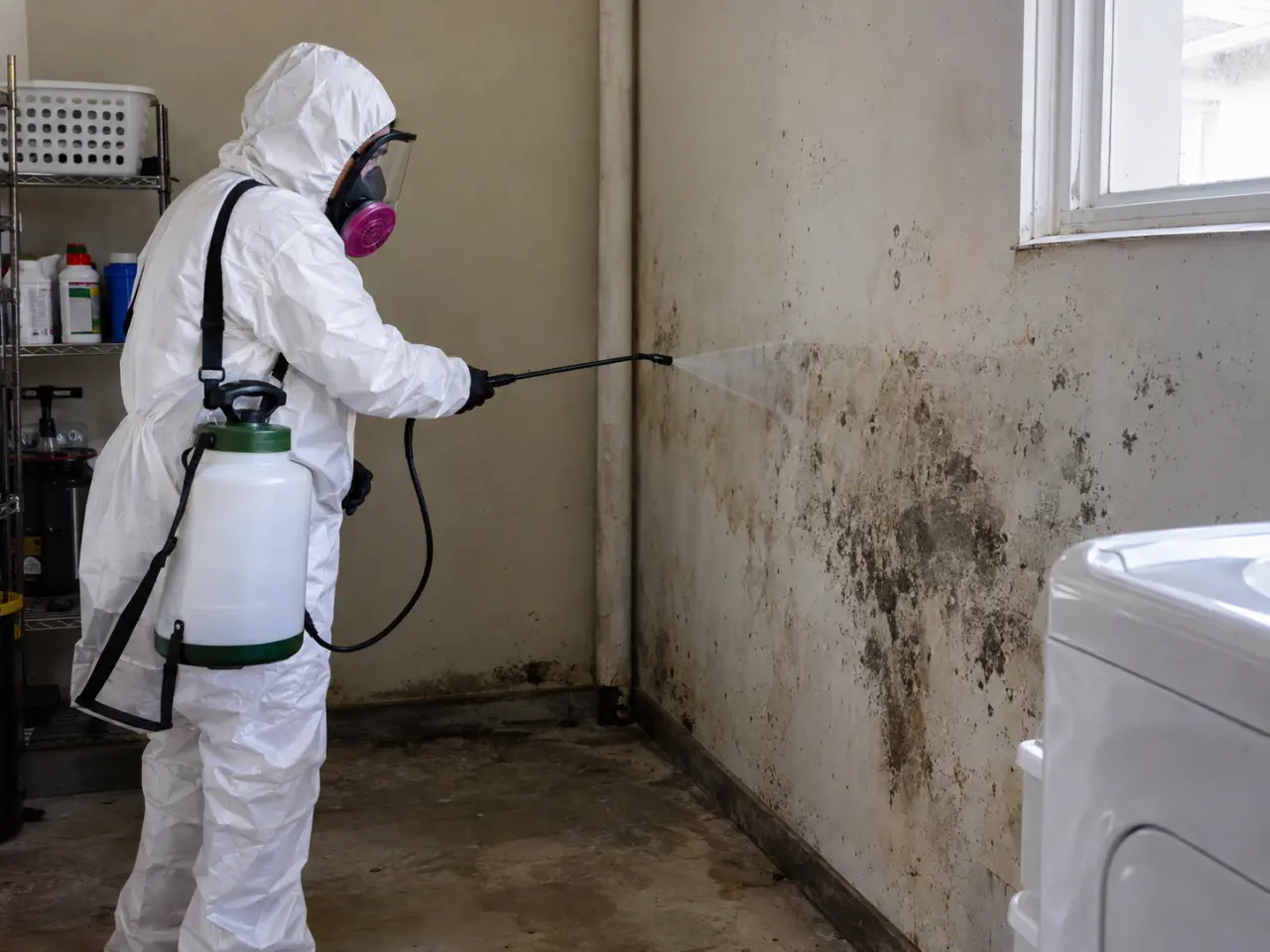
Talk with the local team
Request Structural Drying & Dehumidification
Call (419) 880-8176 any time, day or night. We answer 24/7 and schedule most Toledo-area inspections the same day you reach out. If you have a flooded basement or a musty smell you cannot place, tell us what you are seeing and we will get a technician out to look at it.